
Nestled in the Upper Potomac region of Virginia, the Difficult Run neighborhood holds a unique place in local lore. With its scenic trails, historic byways, and a vibrant sense of community, the area stands as a living testament to the enduring spirit of Northern Virginia’s earliest settlers. As a proud longtime resident, I am delighted to share the captivating story behind Difficult Run, from its humble beginnings to its status as a welcoming enclave in the midst of suburban growth.
The Origins: How Difficult Run Got Its Name
The name Difficult Run might raise an eyebrow or two among newcomers, but it is as much a piece of history as the area itself. The term “run” is an Old English word for a small stream or creek—a nod to the region’s colonial roots. Difficult Run, the waterway for which the neighborhood is named, meanders for more than 15 miles through Fairfax County before joining the mighty Potomac River near Great Falls. Early settlers are believed to have chosen the name due to the creek’s challenging terrain: rocky banks, swift waters, and steep ravines made traversing (and fording) the run a truly “difficult” task for travelers and farmers alike.
Key Historical Milestones
Difficult Run’s beginnings can be traced back to the mid-18th century, when tobacco plantations and working farms dominated the landscape. Over the centuries, the neighborhood has witnessed tide-turning moments that shaped not just its destiny but also the broader region:
- Colonial Era (1700s): Small clusters of tradespeople and families set up homesteads along what is now Old Dominion Drive and Georgetown Pike (Virginia State Route 193), both essential thoroughfares for commerce and travel.
- Civil War Years: The roadways and creeks surrounding Difficult Run served as strategic hideaways and supply routes for both Union and Confederate forces. Whispered tales of hidden encampments and clandestine crossings persist to this day in local oral history.
- Postwar Growth: As early as the 1920s, the area saw the rise of rural schools and churches, such as the historic Difficult Run School on Leesburg Pike (now known as Route 7), which still stands as a private residence.
- Modern Suburbia: The late 20th century after World War II saw the migration of families out from Washington, D.C., giving rise to planned neighborhoods like Langley Oaks and timbered subdivisions along Swinks Mill Road and Difficult Run Court.
Notable Landmarks and Buildings
Difficult Run offers more than just a nod to history; it boasts a collection of landmarks and institutions that reflect its heritage:
- Difficult Run Stream Valley Park: Stretching for miles along the creek’s edge, this park protects acres of woodlands and trails. Locals and visitors alike cherish the natural escape afforded by trails such as the Difficult Run Trail and the Cross County Trail, which offers verdant river views and sightings of deer, owls, and the occasional fox.
- Colvin Run Mill: Just to the west of the neighborhood, Colvin Run Mill Historic Site on Colvin Run Road represents one of the last remaining 19th-century water-powered gristmills in Northern Virginia. It’s a favorite for school trips and history buffs.
- Great Falls Park: At the neighborhood’s northern tip, Great Falls Park is perhaps the crown jewel. The park’s dramatic waterfalls and rocky overlooks are popular spots for hiking, bird watching, and picnics. The scenic Georgetown Pike leads you straight into the heart of this National Park Service treasure—often considered a rite of passage for local families.
Streets, Parks, and Institutions
Difficult Run is defined as much by its gathering spaces and thoroughfares as by its rolling hills and streams:
- Swinks Mill Road: This winding road, once home to the busy Swinks Mill (the source of flour and cornmeal for early farmers), is now a quiet, leafy avenue dotted with stately homes.
- Forestville Elementary School: Founded in the mid-20th century, Forestville is known for its community events and has educated generations of neighborhood children.
- Meadowlark Botanical Gardens: While technically just south of Difficult Run, these gardens have always served as a beloved destination for local residents seeking peace among curated flower beds, ornamental lakes, and butterfly habitats.
The Evolving Community: From Farmlands to Family Homes
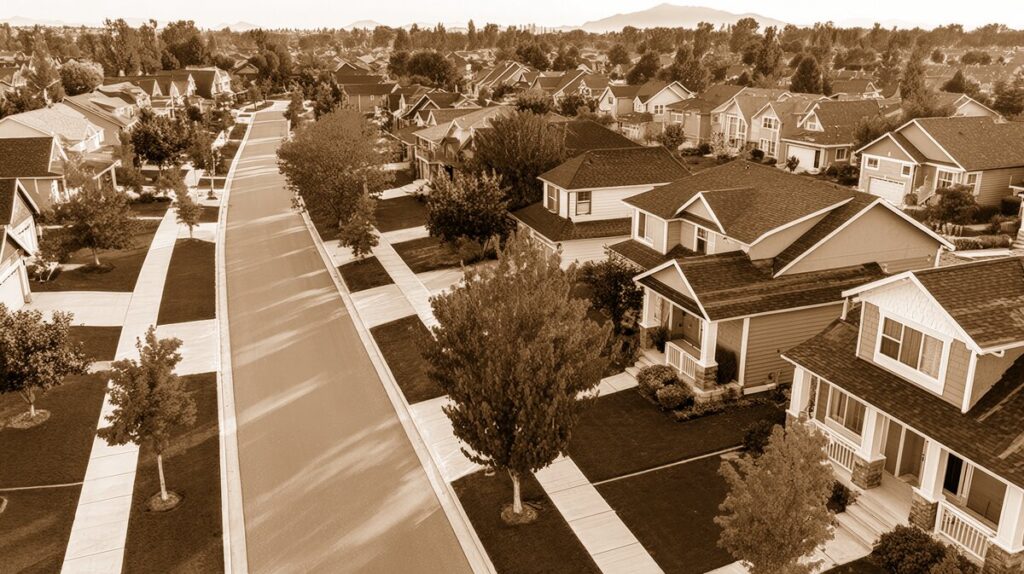
While the Difficult Run neighborhood has never forgotten its roots, it has embraced change and growth over the decades. The first wave of postwar suburban development in the 1960s and ‘70s introduced classic split-levels and colonials along Leigh Mill Road and Seneca Road. More recently, custom homes and environmentally-conscious renovations signal a renewed interest in preserving both the area’s historic charm and its natural beauty.
The sense of community here is unwavering—neighbors know one another, and annual events like the Difficult Run 5K or stream cleanups bring residents together for a common cause. Civic associations are active in protecting the watershed and lobbying for safe roadways and well-tended trails.
What Makes Difficult Run Special Today
What sets Difficult Run apart is its rare blend of untouched wilderness and suburban comfort. Towering tulip poplars and sycamores shade quiet cul-de-sacs, while the endless song of rushing water echoes the generations who have come before. On any given weekend, you’ll find hikers and bicyclists sharing a moment on the banks of the creek, artists painting landscapes at dawn, and families enjoying cookouts at picnic pavilions.
To newcomers, Difficult Run embodies the spirit of “old” Virginia—a place where history is not forgotten but celebrated, woven into the tapestry of daily life. For longtime residents, it is a place of pride and a promise to preserve what makes this neighborhood truly “difficult” to leave.